


Italian cuisine is known the world over for its rich traditions, regional specialties, and deeply rooted culinary heritage. Among the many pasta shapes that define Italian gastronomy, tortellini holds a special place — celebrated for its delicate ring shape, precise folding, and delicious fillings. Making these tiny pasta wonders by hand has always been a labor of love, requiring skill and patience. But with the rise of modern culinary technology, the tortellinatrice has emerged as a revolutionary tool that bridges the gap between traditional craftsmanship and contemporary efficiency.
In this article, we explore what a tortellinatrice is, how it works, why it matters in both professional and home kitchens, and how it influences pasta production without compromising authenticity.
What Is a Tortellinatrice? Understanding the Term and Its Purpose
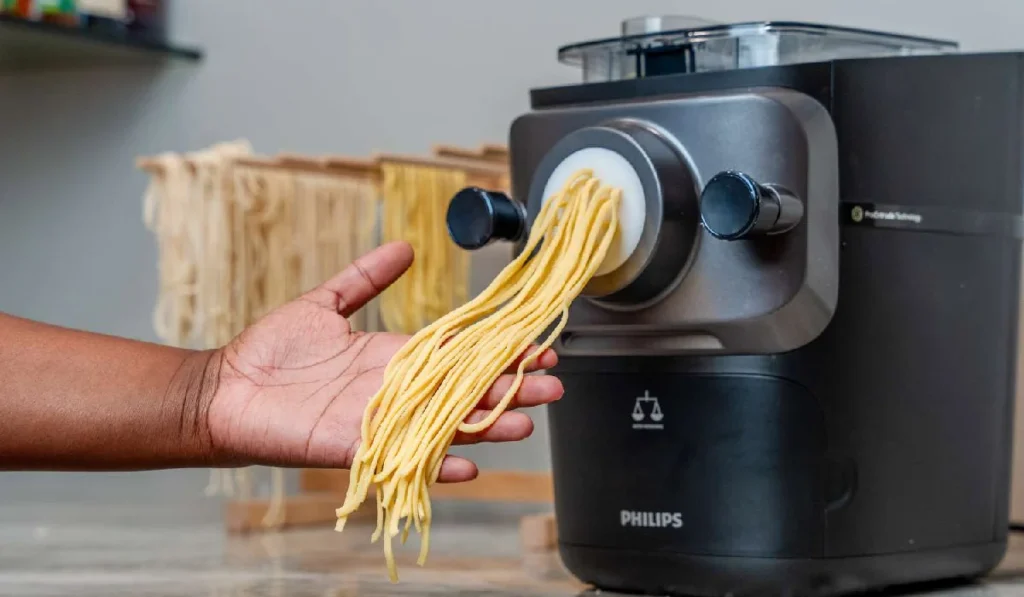
At its core, a tortellinatrice is a specialized pasta‑making machine designed specifically to produce tortellini — the iconic stuffed pasta rings that originate from Northern Italy. Unlike general pasta machines that simply roll dough or cut noodles, a tortellinatrice performs a sequence of functions in a single, coordinated process. It feeds dough sheets, portions filling, folds the dough around that filling, seals the edges, and cuts uniform shapes — all with mechanical precision. This level of automation is especially valuable when producing large quantities of tortellini, where consistency in shape and filling distribution is essential for quality and cooking efficiency.
The Essence of Tradition Meets Modern Technology
Traditionally, tortellini were handcrafted, often during family gatherings or special occasions like holidays and celebrations. The process involved rolling dough by hand, adding filling on tiny squares, and meticulously shaping each piece by hand — an art passed down through generations.
A tortellinatrice does not replace this rich tradition; rather, it preserves it by enabling consistency, reducing manual labor, and increasing output without sacrificing the characteristics that make handcrafted tortellini beloved. Restaurants, pasta makers, and even some enthusiastic home cooks can replicate classic forms more efficiently, ensuring that even in high‑volume settings, every piece maintains a balanced filling, precise fold, and appealing shape.
How a Tortellinatrice Works: The Process Simplified
Though there are models ranging from small tabletop devices to industrial machines, the basic process of a tortellinatrice follows a logical sequence:
- Dough Preparation and Sheet Feeding
The first step is feeding a prepared pasta dough sheet into the machine. Rollers in the tortellinatrice adjust thickness and smoothness to ensure the right flexibility for the next steps. - Filling Deposition
A filling dispenser places measured portions of filling (such as cheese, meat, or vegetables) at regular intervals along the dough sheet. Precise filling control ensures balanced flavor and texture in every piece. - Folding and Sealing Mechanism
As the dough advances, the machine’s forming system folds the dough around the filling, sealing the edges to prevent leakage while creating the classic tortellini shape. - Cutting and Separation
Once sealed and shaped, cutters separate individual tortellini pieces. The result is a continuous output of uniform pasta, ready for drying, freezing, or cooking.
Types of Tortellinatrice Machines
Not all tortellinatrice models are the same. They vary depending on needs and scale:
Manual Tortellinatrice
Compact and hand‑operated, these are ideal for small kitchens or cooking enthusiasts who enjoy a hands‑on approach while benefiting from machine‑assisted shaping and cutting.
Semi‑Automatic Machines
These combine human input with mechanical assistance. The operator may still feed dough or adjust settings manually, but the machine handles filling and folding — well suited for artisan pasta shops with moderate production needs.
Fully Automatic Tortellinatrice
Designed for industrial pasta production, fully automatic machines handle large volumes per hour. They often include digital controls, programmable filling settings, and integrated systems for drying or packaging. These are used in larger pasta factories and culinary schools where output and uniformity are critical.
Advantages of Using a Tortellinatrice
The benefits of incorporating a tortellinatrice into pasta production extend far beyond simple automation:
1. Efficiency and Speed
Machines drastically reduce the time required to produce large batches, increasing output while freeing up skilled labor for other tasks.
2. Consistency
Every piece produced by a tortellinatrice matches in size, shape, and filling proportion, ensuring uniform cooking and presentation — a critical factor for commercial kitchens.
3. Hygiene and Safety
Made with food‑grade materials like stainless steel, modern tortellinatrice models maintain high hygiene standards and are designed for easy cleaning.
4. Versatility
Although primarily designed for tortellini, some models also produce other stuffed pasta such as ravioli or cappelletti with adjusted settings or attachments.
Cultural Impact and Culinary Significance
In Italy and around the world, tortellini are more than just pasta; they are symbols of regional identity, hospitality, and culinary heritage. The tortellinatrice plays a unique role in helping this tradition thrive in modern contexts. It allows restaurants to maintain authentic flavor and shape while serving a growing global demand for quality pasta.
Rather than diluting tradition, the tortellinatrice ensures that authentic pasta reaches more people — in trattorie, gourmet markets, and even home kitchens — without reliance on time‑intensive hand techniques alone. It strikes a balance, enabling culinary artisans to preserve the heritage of tortellini while embracing the efficiency and consistency of modern food production.
Choosing and Using a Tortellinatrice: Practical Tips
Whether you’re a restaurant owner, artisan pasta maker, or passionate home chef, choosing the right tortellinatrice depends on your kitchen’s scale and goals:
- For Home Kitchens: Start with a smaller, manual or semi‑automatic machine to learn the basics and experiment with fillings.
- For Artisan Shops: A semi‑automatic model offers a balance of efficiency and customization.
- For Commercial Production: Fully automatic models provide speed, volume, and integration into larger processing lines.
Maintenance is also key to longevity. Look for machines with removable components and easy‑to‑sanitize parts to ensure long‑term performance and compliance with food safety standards.
Conclusion: Embracing Tradition Through Modern Tools
The tortellinatrice exemplifies how culinary tradition can evolve without losing its soul. While handmade pasta will always have a cherished place in kitchens around the world, machines like the tortellinatrice make it possible to share these cultural treasures more widely. By automating repetitive tasks and ensuring consistent quality, it supports both artisan heritage and modern culinary demands.
Whether you are crafting a few dozen tortellini for a family feast or producing thousands for a bustling restaurant, the tortellinatrice stands as a testament to how technology can honor and preserve food traditions. It ensures that the pleasure of perfect tortellini — with the right texture, filling balance, and classic shape — continues to delight generations of pasta lovers everywhere.
